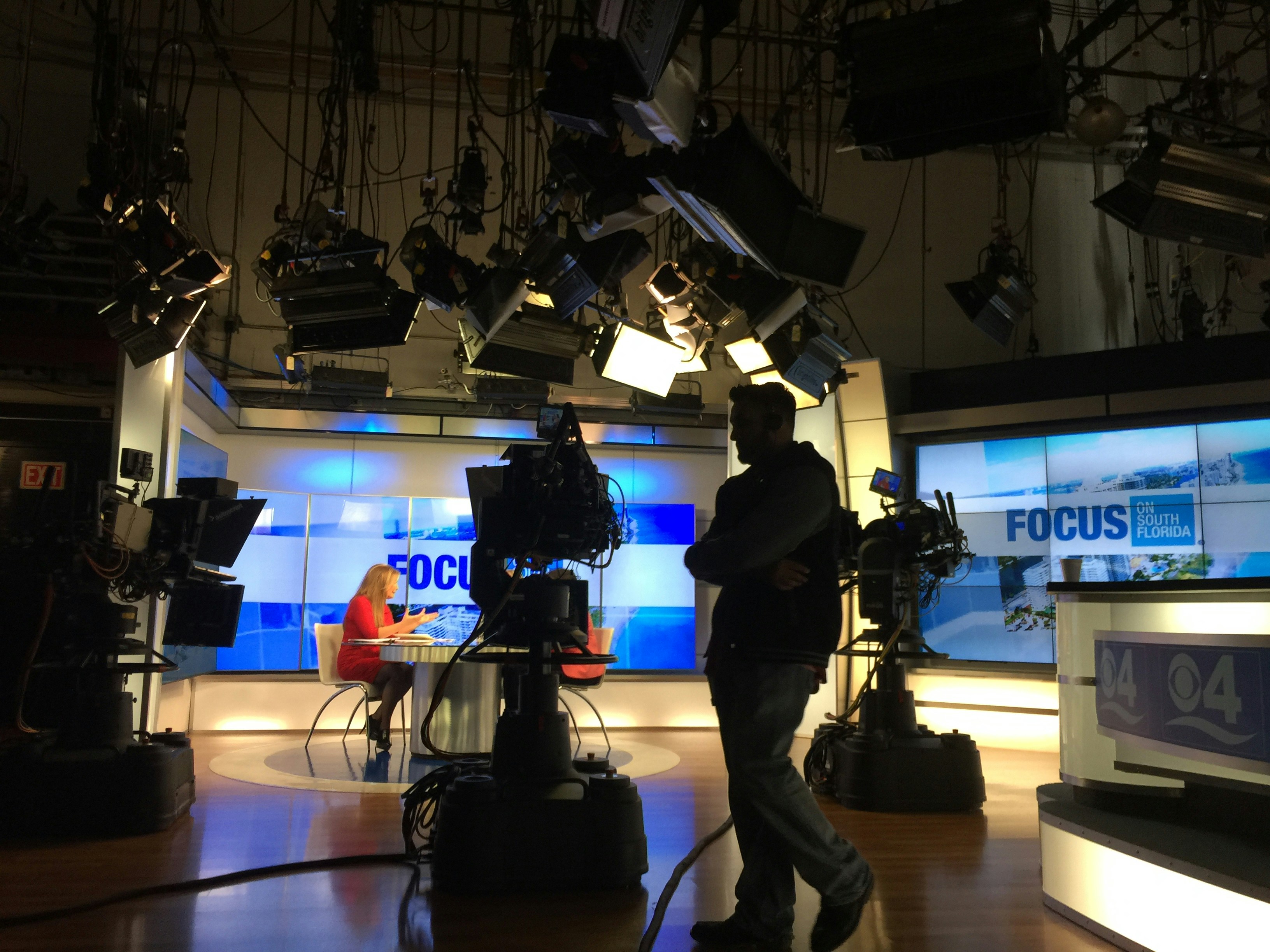
When it comes to media strategy, local television doesn't always get the respect they deserve. Executives chasing buzzy national headlines can view the local affiliate as an unnecessary warm-up act, a stepping on the way to bigger coverage. But a surprising number of the figureheads we now see on CNBC wouldn’t have been able to make those appearances without spending time on a local news set, in a low-stakes, high-impact environment.
Local broadcast is often where an executive learns to be a good spokesperson. It's where a brand builds the kind of grounded, community-level credibility that a national placement alone can't manufacture. Yet, getting those opportunities doesn't happen overnight.
Ground the pitch in something hyperlocal tied to something bigger
The segments that get booked aren't the ones announcing that a company exists or a spokesperson has something interesting to say. They're the ones that take a hyperlocal detail, something the average morning viewer would care about—a neighborhood, a regional season, a specific patient or customer story—and tie it to something the whole audience already has on its mind: a holiday, a season, a national news cycle. Back-to-school safety. Labor Day travel risks. Flu season. The national trend gives a producer the reason to cover it right now; the hyperlocal detail gives them a reason to cover it with you.
Make it easy on a newsroom that's often running lean
Most local stations operate with a fraction of the staff they used to have. A producer juggling several stories doesn't have time to chase down information. Make their job easier. Behind every TV hit is a lot of unglamorous prep work: a timely topic, a pitch that answers the obvious questions before they're asked, background material organized and ready to hand off, a spokesperson briefed and available on the newsroom's schedule, not ours. Clarity and brevity on both sides is what turns a maybe into a yes.
What it takes once the cameras are rolling
Walking into a studio is its own kind of pressure. Bright lights, a hot mic, a host who has ninety seconds and little time for pleasantries. A subject matter expert has to be calm under that pressure and has to leave technical jargon at the door. The best segments don't sound like an industry briefing. They sound like someone explaining something useful to the person watching from their living room.
Media begets media because trust compounds
The real asset isn't any single segment. It's the relationship between the producer and public relations professional. Once a producer has worked with a spokesperson who showed up prepared, stayed on message and made their job easier, they start trusting the next pitch that comes in and the one after that. That trust is what turns one hit into a recurring seat at the table, and it's the difference between an agency that generates a headline and one that builds lasting local credibility.
None of this replaces the fundamentals — a real story, a spokesperson worth putting on camera, a pitch built for the outlet reading it. But the brands that keep getting the call back are the ones that understood local TV wasn't a lesser stage. It was the one where the real work of earning trust happens first.
Ready to build earned media momentum for your brand?
If your team is generating pitches but not repeat coverage, the gap is usually lack of relationship, not effort. Talk to us about building a media relations system that compounds.

Hope isn’t afraid to jump into the deep end of the media relations pool to help clients achieve their dream stories. She has been placing clients in such prestigious outlets as The Wall Street Journal, Fox Business TV, Bloomberg (print and TV), Bloomberg Radio, CNBC TV and USA Today since the earliest days of her career.